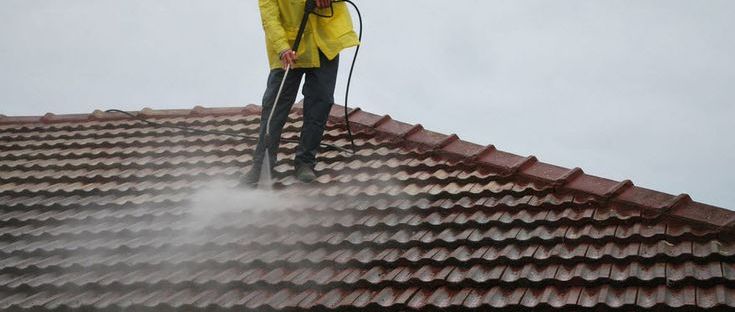
Clean roof tiles look beautiful and allow optimal water drainage and ensure a longer life for the roof of the house.
For professional roof cleaning services in Federal Way, WA, contact Premier Janitorial. They have advanced technology and highly skilled cleaning staff.
Not all roofs are the same
Roofs differ not only in the shape and color of the tiles but primarily in the material used for the roof. No matter how diverse the choice, the optimal methods for caring for and cleaning the roof are just as varied. Find out here why good care is not only used for beauty, what cleaning method is recommended for your roof and what you should pay special attention to when cleaning the roof.
Cleaning the roof with a high-pressure cleaner: This work must be carried out by a qualified specialist/roof master, as this can often lead to more damage than good. Due to the high water pressure, the water can flow under the bricks and cause water to appear and mold to grow and rot.
Therefore, the work should only be performed by a real specialist. (see also below under “clay roofing slabs and concrete slabs”)
Roof care for appearance – or is there more than that?
In new development areas, one roof shines brighter than the other. After a few years, however, the first traces of age are visible: muscle, lichen, dirt, bird droppings … These marks not only look bad, over time can significantly affect the durability of the roof and can shorten the life of tiles.
E.g., Large amounts of bird droppings are corrosive and make the surface porous, making water and frost an easy task. The bricks are weather-resistant, and the roof is insufficient for protection.
Regular care and cleaning of the roof adapted to the material, therefore, maintains the roof’s impeccable appearance for a long time, ensures significantly longer life, and significantly delays roof renewal.
Clay roof tiles with muscle growth and damage: cleaning and maintenance are essential here before the next heavy rain or storm.
Small differences, big impact – not everything works with every coverage
Clay tiles, concrete slabs, slate, copper, bitumen, reed – the range of possible coatings is wide and varied. When choosing your roof, you should be guided by personal preferences, budget, and regional regulations and take into account the maintenance effort. A reed roof naturally has its visual appeal in the right area and is very valuable in terms of its ecological and insulating properties, but it requires intensive care, high maintenance, and requires fire protection. But even with ordinary roofing materials – clay tile, concrete blocks, slate -, there are differences in terms of maintenance and care.
Clay slabs and concrete slabs
Both roof coverings are available with different surfaces. Natural, englobed or glazed, not only do they look different, but they also have different properties in terms of dirt and care. Due to the smoother surface, lichens and moss settle more slowly on glazed bricks, and dirt is washed away faster by rain. But even with surface refinement, roof pollution and greening cannot be avoided in principle. Traces of age will appear over the decades, especially in the weather and on the north side or under trees.
Do not clean your clay or concrete slabs yourself with a pressure washer. Due to the high water pressure, the water can flow under the bricks and cause water to appear and mold to grow and rot. When using chemical cleaning agents, consider the effects on the environment and be informed about the instructions for use and the effect on the water cycle. The best way to deal with coarse dirt is with a hose and a brush. Make sure the stairs and scaffolding are secure.
Slate roofs
Slate is a natural stone that has a leaf-like structure and comes in different colors, from gray to reddish-brown to black. Slate is a very robust limestone, but it is sensitive to scratches. Therefore, slate roofs should not be cleaned with acidic cleaners or sharp-edged devices. It is best to maintain your slate roof with alkaline cleaning agents, lukewarm water, and steel wool or natural hair brushes for extreme soiling. Specialized cleaners for slate or cement film removal are also available from specialist retailers, who are also very efficient.

 Blog Vision